A dead socket isn’t always a big problem
You plug something in and nothing happens. It’s frustrating, but it doesn’t always mean an expensive repair. Many socket problems come down to a tripped switch in your consumer unit or a blown fuse in the plug.
This guide covers the simple, safe checks you can do yourself, the signs that point to a more serious fault, and when to stop and call a qualified electrician.
Safety first: never take the front off a socket, poke anything into it, or try to repair wiring yourself. Everything below can be done without touching any wiring.
Step 1: Check for danger signs first
Before you do anything else, look and listen. Stop using the socket and call an electrician if you notice:
- A burning or “fishy” smell near the socket
- Scorch marks, brown or black discolouration on the faceplate or plug
- The socket or plug feels warm or hot to the touch
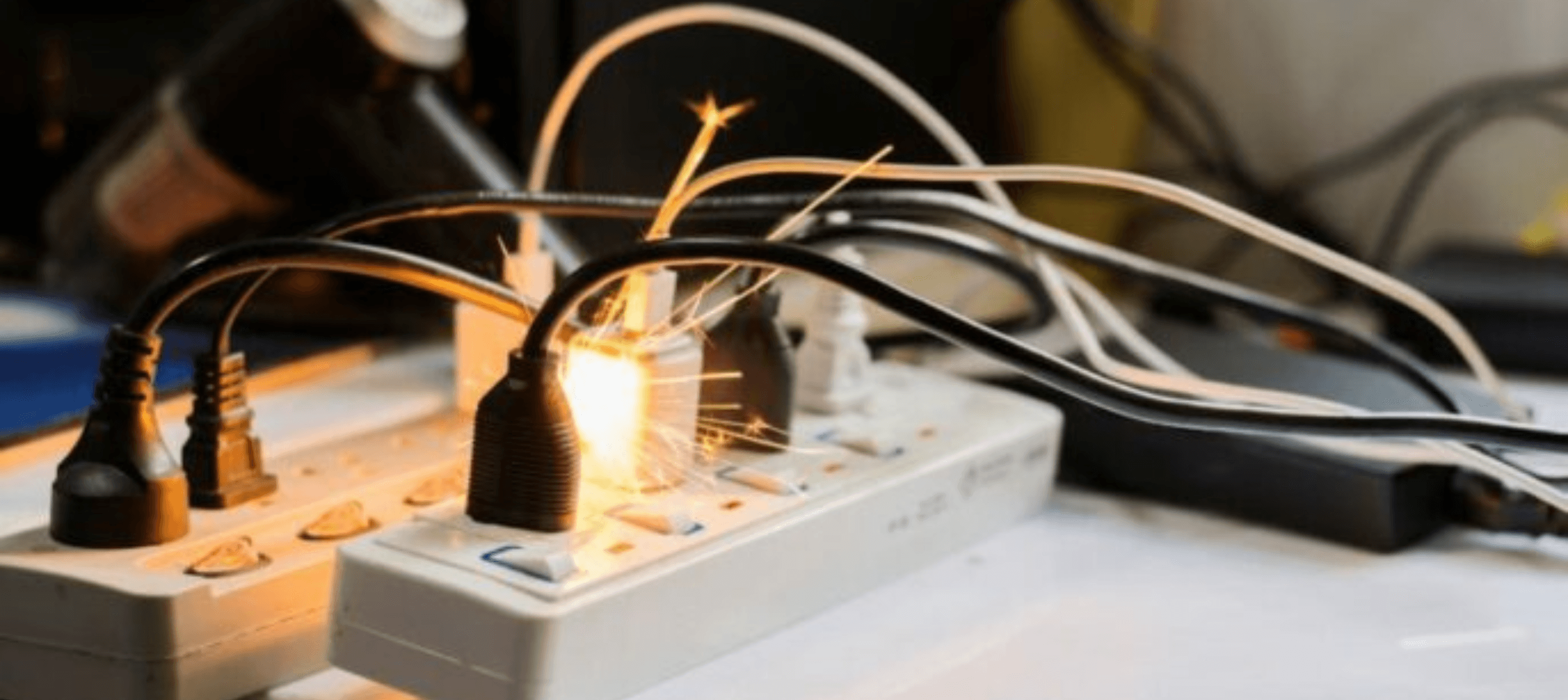
- Buzzing, crackling or sparking
- A cracked or loose faceplate
These are signs of overheating or a loose connection. Both can lead to an electrical fire. If it’s safe to do so, switch the circuit off at the consumer unit and don’t use the socket until it’s been checked.
Step 2: Make sure the socket is switched on
It sounds obvious, but it’s easy to miss. Most UK sockets have a switch beside each outlet. Check it’s in the on position, especially on double sockets, where one side can be on and the other off.
Step 3: Test the appliance somewhere else
Plug the appliance into a socket you know is working. If it still doesn’t work, the problem is the appliance, its lead or its plug fuse, not your socket.
You can also do it the other way round: plug something you know works, like a phone charger or lamp, into the dead socket.
Step 4: Check the fuse in the plug
UK plugs have a fuse inside, usually 3A or 13A. If the fuse has blown, the appliance won’t work even though the socket is fine. Swap the fuse for a new one of the same rating (it’s printed on the fuse and usually on the appliance) and try again.
If the new fuse blows straight away, there’s a fault with the appliance. Stop using it.
Step 5: Check your consumer unit (fuse box)
If the socket itself seems dead, go to your consumer unit and look for any switch that has flipped down to the off position.
- RCD switch tripped: an RCD protects a group of circuits. If it has tripped, several sockets or lights may be off at once.
- MCB (circuit breaker) tripped: each MCB protects one circuit, such as “downstairs sockets” or “kitchen”.
Before resetting anything, unplug everything on the affected circuit. Then push the switch back up to the on position. If it stays on, plug your appliances back in one at a time. If it trips again when you plug in a particular item, that item is likely to be the cause.
If the switch trips again straight away with nothing plugged in, or won’t reset at all, there’s a fault in the wiring. Leave it off and call an electrician. You can read more about this in our guide Why Does My RCD Keep Tripping?
If you have an older fuse box with rewireable fuses, don’t try to replace the fuse wire yourself. Call an electrician, and think about upgrading to a modern consumer unit with RCD protection.
Step 6: Check whether other sockets are dead too
Walk around the room and the rest of the house. Are other sockets on the same wall, in the same room or on the same floor also dead?
- One socket dead, the rest fine: likely a faulty socket or a loose connection behind it.
- Several sockets dead, nothing tripped: this can point to a break in the circuit, such as a loose connection at another socket, a damaged cable, or a fault on a ring circuit.
- Whole house off: check whether your neighbours have power. If they don’t, it may be a power cut. Call 105 to report it to your local electricity network operator.
Common reasons a plug socket stops working
- Tripped RCD or MCB: often caused by a faulty appliance or moisture
- Blown plug fuse: usually linked to the appliance itself
- Loose wiring connection: connections can work loose over time, especially on heavily used sockets
- Worn-out or damaged socket: older sockets lose grip on the plug and can overheat
- Damaged cable: often from a nail, screw or picture hook driven into a wall
- Overloaded extension leads: too many high-power appliances on one socket can cause overheating
- Water getting in: a common problem with outdoor sockets and those near sinks
When to call an electrician
Call a qualified electrician if:
- There’s any burning smell, scorching, heat or sparking
- The trip switch won’t reset or keeps tripping with nothing plugged in
- Several sockets are dead and nothing has tripped
- The socket is loose, cracked or damaged
- You’ve done the checks above and still can’t find the cause
What we do when we attend
At Urgent Electrical Services, our engineers use professional test equipment to find the fault safely and accurately rather than guessing. That usually includes:
- Testing the socket and circuit to find where the power is being lost
- Checking connections at the socket and along the circuit
- Testing the insulation on the cables to look for damage
- Replacing faulty sockets or repairing damaged cables
- Making sure everything is safe and working before we leave
Need help with a dead socket in Nottingham or the East Midlands?
Urgent Electrical Services is an NICEIC-approved electrical contractor based in Nottingham, covering homes and businesses across the East Midlands. Whether it’s a single dead socket or a whole circuit down, we’ll find the fault and fix it safely.
Book online in a few minutes. If there’s burning, sparking or a strong smell, call us for an emergency callout.
Quick FAQs
Why has my plug socket suddenly stopped working?
The most common causes are a tripped RCD or MCB, a blown plug fuse, or a loose connection behind the socket.
Can I fix a dead socket myself?
You can safely check the switch, the plug fuse and the consumer unit. Anything involving the wiring should be done by a qualified electrician.
Is a dead socket dangerous?
Not always, but it can be. If you notice burning smells, scorch marks, heat or sparks, stop using it and get it checked straight away.
Why are half the sockets in my house not working?
This usually means a tripped RCD, or a fault on one circuit. If nothing has tripped, there may be a break in the circuit wiring that needs fault finding.