Electric Vehicle Charger Installation Nottingham | The Ultimate Homeowner’s Guide
With the rapid rise of electric cars in Nottingham and across the UK, the demand for home charging solutions has never been higher. Transitioning to an EV is an exciting step toward sustainable living, but the true convenience lies in having an electric vehicle charger installed right on your driveway.
A dedicated home charging point is not just a luxury; it is a necessity for safety, speed, and efficiency. In this comprehensive guide, we explore everything from technical requirements and fuse board compatibility to the long-term financial benefits of professional EV charger installation.
Why You Should Get a Dedicated EV Charger Installed
Many new EV owners initially rely on a "granny cable" (a standard 3-pin domestic plug). However, this is not a viable long-term solution.
Faster Charging Speeds: A standard wall socket provides about 2.3kW of power. In contrast, a professional 7.2kW home charger is 3 times faster. What takes 18+ hours on a plug can be completed in just 6–8 hours, allowing you to wake up to a full battery every morning.
Advanced Safety Features: Charging an EV draws a massive amount of current for several hours. Standard sockets are not designed for such prolonged heavy loads and can overheat. Dedicated EV chargers come with built-in DC leakage protection and thermal sensors.
Smart Energy Management: Modern chargers (like Ohme, Zappi, or Wallbox) sync with your smartphone. You can schedule charging for "off-peak" hours (usually between midnight and 5 AM) when electricity rates are significantly lower.
Boosting Property Value: In 2026, an EV charger is seen as a premium home upgrade, much like a modern kitchen or solar panels. It future-proofs your home and increases its appeal to eco-conscious buyers.
Technical Requirements: Is Your Home Ready?
Before the electric vehicle charger installed process begins, our Nottingham electricians perform a detailed "Site Survey." Your home must meet these three pillars:
1. Off-Street Parking
For legal and safety reasons, you must have a private driveway or garage. Running cables across a public pavement is a trip hazard and is often prohibited by local Nottingham councils.
2. Fuse Board (Consumer Unit) Capacity
Your fuse board is the heart of your home’s electrics. A 7kW charger requires a 32-amp breaker. If your board is old or lacks RCD protection, you may require a [Fuse Board Upgrade] before the installation can proceed safely.
3. The Main Supply (DNO Notification)
Most UK homes have a 60-amp or 100-amp main fuse. If you have an electric shower, an induction hob, and an EV charger running simultaneously, you could overload the main fuse. As professional installers, we handle the DNO (Distribution Network Operator) notification to ensure your local grid can handle the extra load.
The Installation Process: What to Expect
When you book with Urgent Electrical Services, the installation typically takes 3–5 hours:
Step 1: Planning: We determine the shortest and neatest cable route from your meter/fuse box to the charger location.
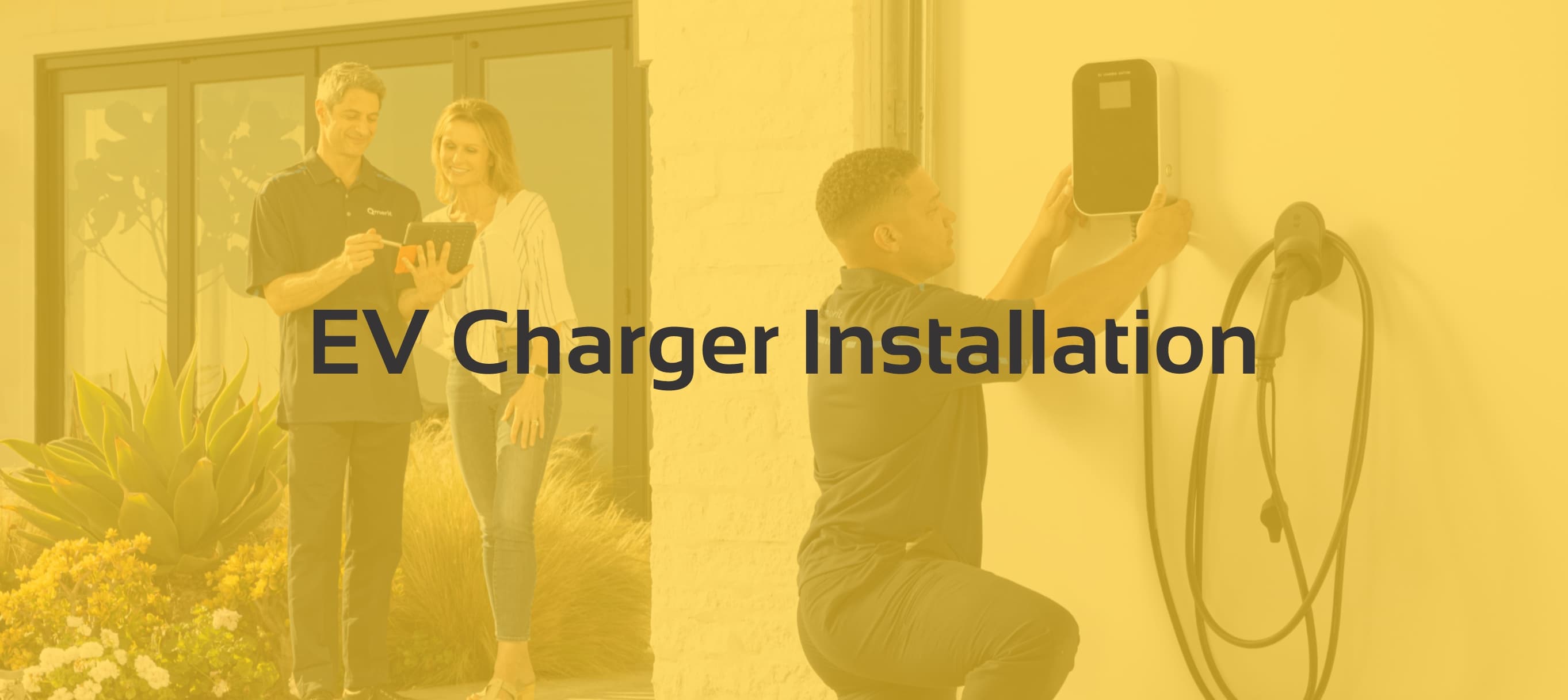
Step 2: Fitting: The unit is securely mounted to your brickwork or a dedicated pedestal.
Step 3: Protection: We install an EV-specific RCD (Type B) or use chargers with built-in PEN fault protection, eliminating the need for an earth rod in your garden.
Step 4: Connectivity: We link the charger to your home Wi-Fi so you can monitor costs and carbon savings via your app.
Step 5: Certification: You receive an Electrical Installation Certificate (EIC), which is crucial for your home insurance and car warranty.
Frequently Asked Questions (FAQs)
Q: Can I install an EV charger myself? A: Absolutely not. EV chargers involve high-voltage wiring and must be installed by a Part P certified electrician. Incorrect installation can lead to fire risks and will void your vehicle's warranty.
Q: How much does it cost to charge an EV at home in Nottingham? A: On a standard tariff, it costs roughly £15–£20 for a full charge. However, on an EV-specific "Night Tariff," this can drop to as low as £5 for over 200 miles of range.
Q: Is there still a grant for EV chargers? A: While the OZEV grant for single-unit homeowners has ended, it is still available for landlords, flat owners, and businesses. Contact us to see if you qualify for up to £350 off the installation.
Why Choose Urgent Electrical Services for EV Charging?
We are Nottingham’s local experts in green energy.
OZEV Approved Installers.
Transparent Pricing: No hidden "extra cable" fees.
Expert Aftercare: We help you set up the app and schedule your first charge.
Ready to make the switch? [Contact Us Today] for a free home survey or call 0115 7780622 to speak with a certified EV installer in Nottingham.