
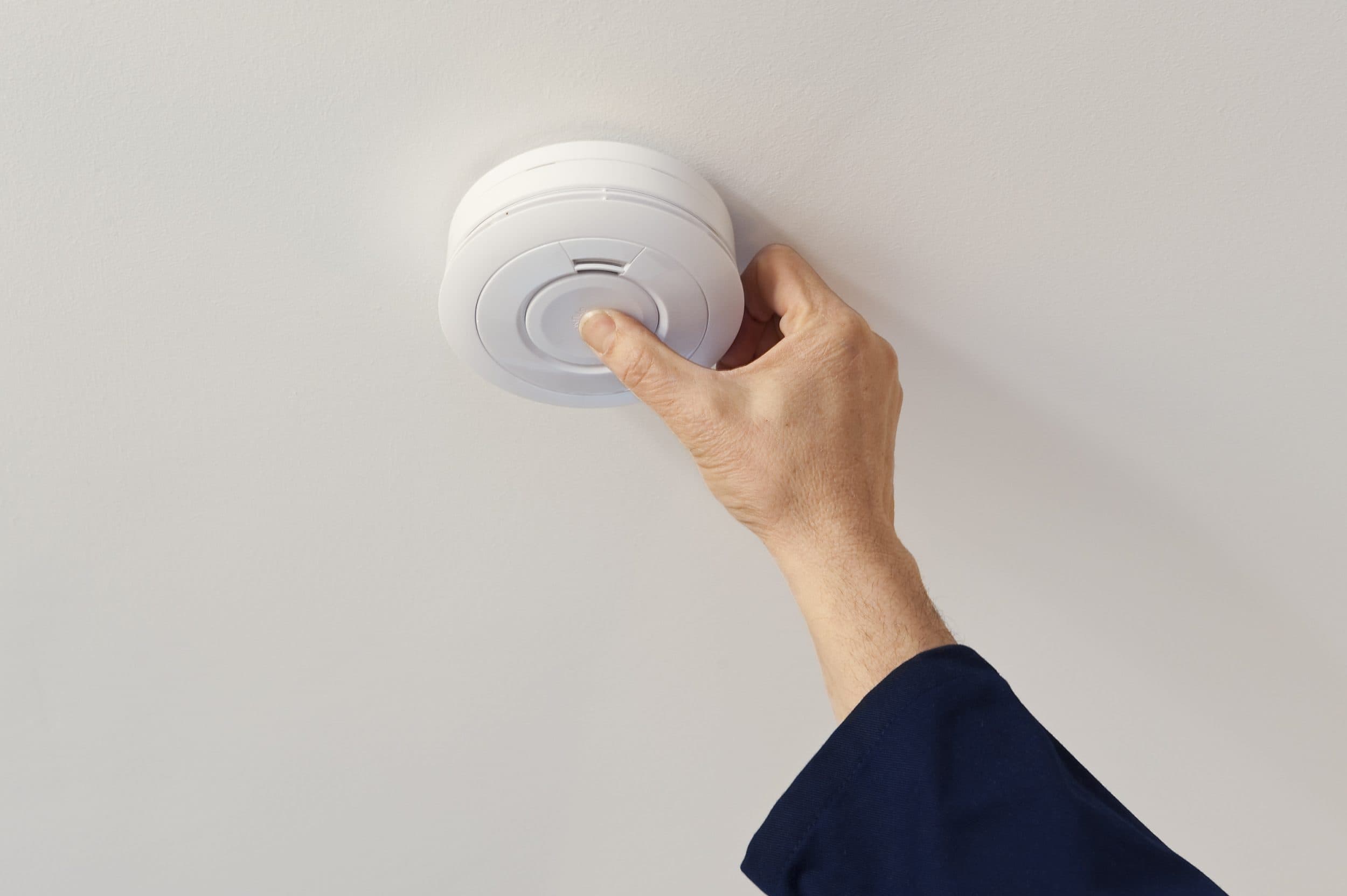
Why Is My Smoke Alarm Still Beeping After Changing the Battery?
Several issues can cause a smoke alarm to continue beeping after its battery has been replaced.
The most common causes include:
The new battery is not fitted correctly.
The alarm needs to be reset.
The battery is faulty or unsuitable.
Dust or insects are affecting the sensor.
The alarm is reaching the end of its service life.
A mains-powered alarm has a power supply or backup battery issue.
Identifying the type of sound your alarm makes can help you narrow down the possible cause.
1. The Battery Is Not Fitted Correctly
One of the first things to check is whether the replacement battery has been installed correctly.
Even a new battery may not work properly if it is inserted in the wrong direction or does not make proper contact with the terminals.
If your smoke alarm has a removable battery, consult the manufacturer's instructions and check that:
The battery type matches the manufacturer's recommendation.
The positive and negative terminals are aligned correctly.
The battery compartment is fully closed.
The battery contacts appear clean and undamaged.
Never force the battery into position. If the contacts are damaged or corroded, follow the manufacturer's guidance or seek professional advice.
2. Your Smoke Alarm Needs to Be Reset
Some smoke alarms continue chirping briefly after a battery replacement because they need to be reset.
The reset procedure varies depending on the make and model. Some alarms have a test or reset button, while others require a particular sequence described in the instruction manual.
Follow the manufacturer's reset procedure rather than guessing.
If the beeping continues after you have completed the recommended steps, the alarm may have another fault or may need replacing.
Important: Never leave your home without functioning smoke detection simply to stop a persistent noise. Keep suitable fire protection in place while investigating the problem.
3. The Replacement Battery Is Faulty
A new battery is not necessarily a fully functioning battery.
It may be defective, discharged or unsuitable for the particular alarm. Some smoke alarms also require a specific battery type.
Check the manufacturer's instructions for the correct battery specification. If appropriate, try a fresh battery from a reputable supplier.
For alarms with sealed, non-replaceable batteries, do not attempt to open the unit or remove its internal battery. Follow the manufacturer's instructions for testing and replacement.
4. Dust or Insects Are Affecting the Sensor
Dust, small insects and other debris can sometimes interfere with a smoke alarm's sensing chamber.
Depending on the model, contamination may cause nuisance alarms or affect normal operation.
If the manufacturer's instructions permit cleaning, gently clean the exterior and ventilation openings using the recommended method. Avoid spraying cleaning products into the alarm or dismantling the unit.
Regular maintenance can help keep your smoke alarms working correctly. Always follow the manufacturer's cleaning and testing guidance.
5. Your Smoke Alarm Has Reached the End of Its Service Life
Smoke alarms do not last indefinitely.
Many domestic alarms have a recommended service life of around 10 years, although the exact lifespan depends on the model. Some units provide an end-of-life warning through a distinctive chirp or indicator light.
Check the manufacture date, replacement date and instructions printed on the alarm or packaging.
If the alarm has reached the end of its service life, replacing the entire unit may be necessary even if you have fitted a new battery.
Do not assume that changing the battery will restore an alarm that has reached its replacement date.
6. Your Mains-Powered Smoke Alarm Has a Power Supply Problem
Not every smoke alarm operates solely on a replaceable battery.
Mains-powered smoke alarms are connected to your property's electrical supply and may also contain a backup battery. If one continues beeping after a battery replacement, the cause could involve the backup battery, mains supply, wiring or the alarm itself.
Check the manufacturer's instructions and any visible indicator lights.
Do not remove electrical covers or attempt to inspect mains wiring yourself. If the alarm appears to have an electrical fault, contact a qualified electrician.
Urgent Electrical Services can help investigate electrical issues affecting mains-powered smoke alarms in Nottingham and surrounding areas.
What Is the Difference Between a Chirp and a Smoke Alarm?
The sound your alarm makes can provide a useful clue, although the exact pattern varies between manufacturers.
An occasional short chirp
A brief chirp at regular intervals may indicate a low battery, a fault or an end-of-life warning.
A continuous or repeated loud alarm
A loud alarm may indicate that smoke has been detected. Treat it as a genuine fire warning unless you have established that it is a false alarm and it is safe to do so.
Several alarms sounding together
If interconnected smoke alarms sound simultaneously, smoke detection by one unit may trigger the others. Follow your fire safety plan and check for signs of smoke or fire.
Always consult your particular model's manual to identify its warning sounds. Never assume a loud alarm is merely a battery issue.
How to Stop a Smoke Alarm From Beeping
If there are no signs of smoke or fire and the sound appears to be a maintenance chirp, follow these steps.
Check for immediate danger. If you see smoke, smell burning or suspect a fire, leave the property and call 999.
Identify the alarm. Check whether it is battery-powered, mains-powered or fitted with a sealed battery.
Consult the manual. Identify what the sound pattern means for your model.
Check the battery. If it is replaceable, confirm that the correct battery is fitted securely.
Reset the alarm if instructed. Follow the manufacturer's specified procedure.
Clean the unit if permitted. Use only the cleaning method recommended by the manufacturer.
Check its age. Replace the alarm if it has reached the end of its service life.
Seek professional help if necessary. If the beeping continues, arrange further investigation rather than disabling the alarm.
Do not disconnect a mains-powered smoke alarm or remove its battery simply to silence it. Make sure adequate working smoke detection remains in place.
When Should You Call an Electrician?
You should consider contacting a qualified electrician if:
A mains-powered smoke alarm continues to beep after the recommended checks.
Several interconnected alarms behave unexpectedly.
The alarm repeatedly loses power.
You suspect a wiring or electrical supply fault.
The unit is damaged or shows signs of overheating.
You need a replacement mains-powered smoke alarm installed.
If the alarm is damaged, does not respond correctly to its test button or cannot be restored to proper operation, arrange a suitable replacement promptly.
Smoke alarms are an important part of your home's fire safety arrangements, so persistent faults should not be ignored.
Need Help With a Faulty Smoke Alarm in Nottingham?
If your smoke alarm continues beeping after changing the battery, Urgent Electrical Services can help you investigate potential electrical issues and assess whether a mains-powered unit needs attention.
Whether you're dealing with a faulty alarm, an unexpected power interruption or a replacement installation, professional advice can help you determine the next steps.
Contact Urgent Electrical Services to discuss your electrical requirements in Nottingham and the surrounding East Midlands.
Don't leave a faulty smoke alarm unresolved. Make sure your property has suitable, functioning fire detection while the problem is being investigated.
Frequently Asked Questions
Why does my smoke alarm beep every 30 seconds after changing the battery?
A periodic chirp may indicate an incorrectly fitted battery, a fault warning or an end-of-life alert. The exact meaning depends on the alarm model, so consult the manufacturer's instructions.
How do I reset my smoke alarm after changing the battery?
The reset procedure varies by manufacturer. Some models have a test or reset button, while others require a specific sequence. Follow the instructions for your particular alarm.
Can dust cause a smoke alarm to keep beeping?
Yes, dust or insects can sometimes interfere with a smoke alarm's sensor. Clean the unit only as recommended by the manufacturer and replace it if it remains faulty.
How do I know if my smoke alarm needs replacing?
Check the manufacture date, replacement date and end-of-life warning instructions. Many domestic smoke alarms have a service life of approximately 10 years, but you should follow the manufacturer's specified lifespan.
Why does my mains-powered smoke alarm beep when the electricity is working?
The alarm may have a backup battery issue, a fault warning or an internal problem. If the recommended checks do not resolve the issue, contact a qualified electrician.
Is it safe to remove the battery to stop the beeping?
No. Removing the battery or disconnecting the alarm can leave your property without adequate fire detection. Identify the cause and restore proper operation or replace the unit promptly.