In many older homes across Nottingham and the surrounding areas, the electrical system is still managed by an outdated fuse box. While these units may have served their purpose for decades, the demands of modern living—high-powered appliances, EV chargers, and smart home tech—often push these old systems to their breaking point.
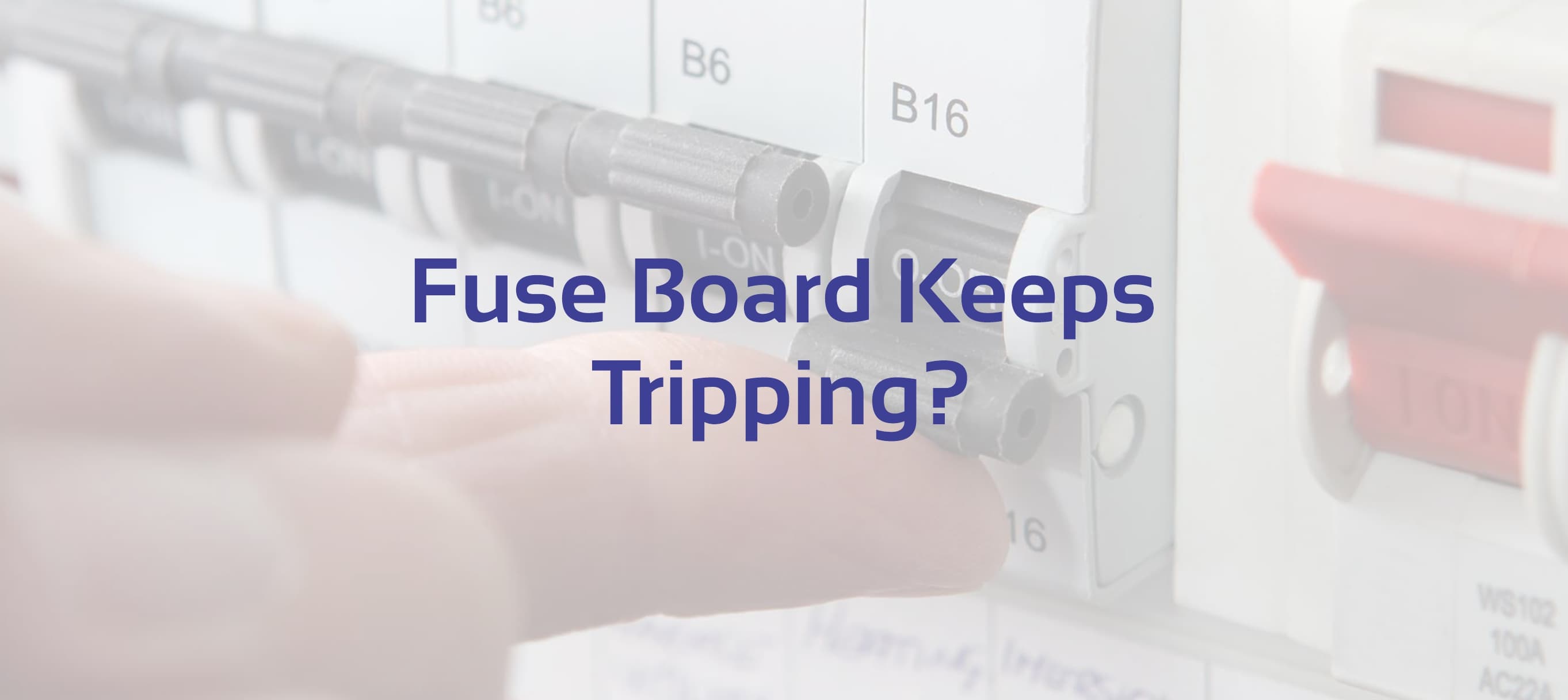
If you are constantly dealing with tripped switches or smelling a faint burning aroma near your electrical cupboard, it is time to consider a fuse box replacement. Transitioning from an old-style box to a modern RCD-protected consumer unit isn't just a home improvement; it’s a critical safety upgrade.
Understanding the Difference: Fuse Box vs. Consumer Unit
Many people use these terms interchangeably, but there is a significant difference in how they protect your home.
The Old Fuse Box: Old-fashioned fuse boxes typically use "rewireable" fuses. When a fault occurs, the fuse wire melts, cutting the power. To fix it, you have to manually replace the wire—a process that is tedious and, if done incorrectly with the wrong thickness of wire, can be a major fire hazard. These units rarely offer protection against electric shocks.
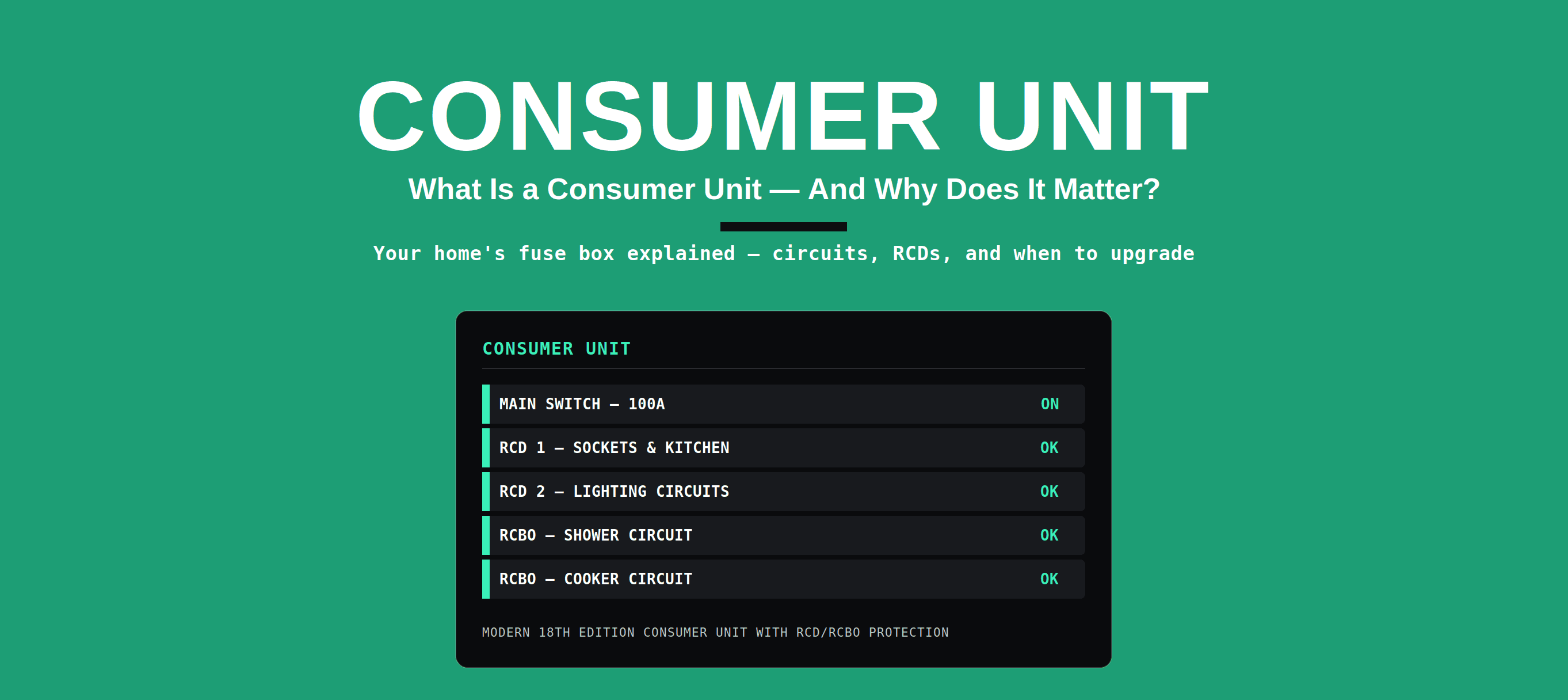
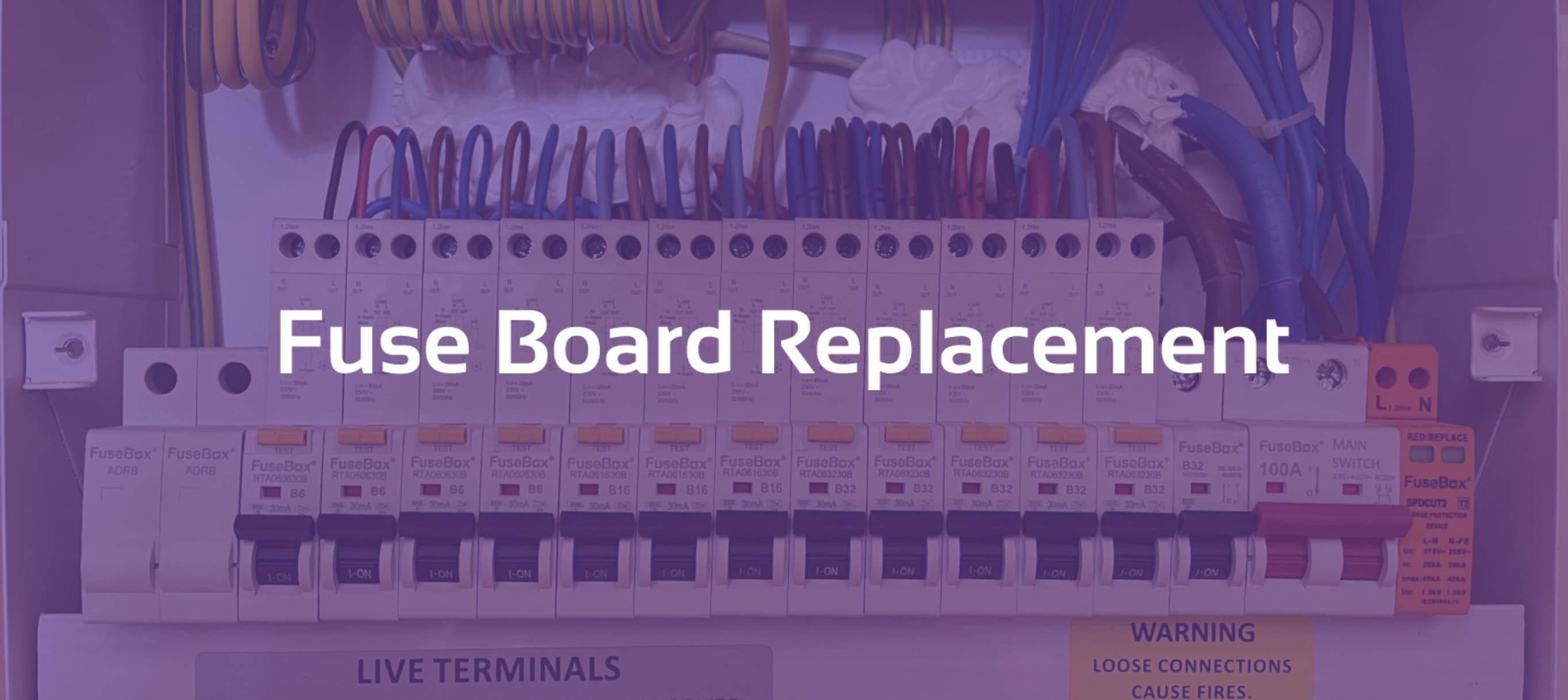
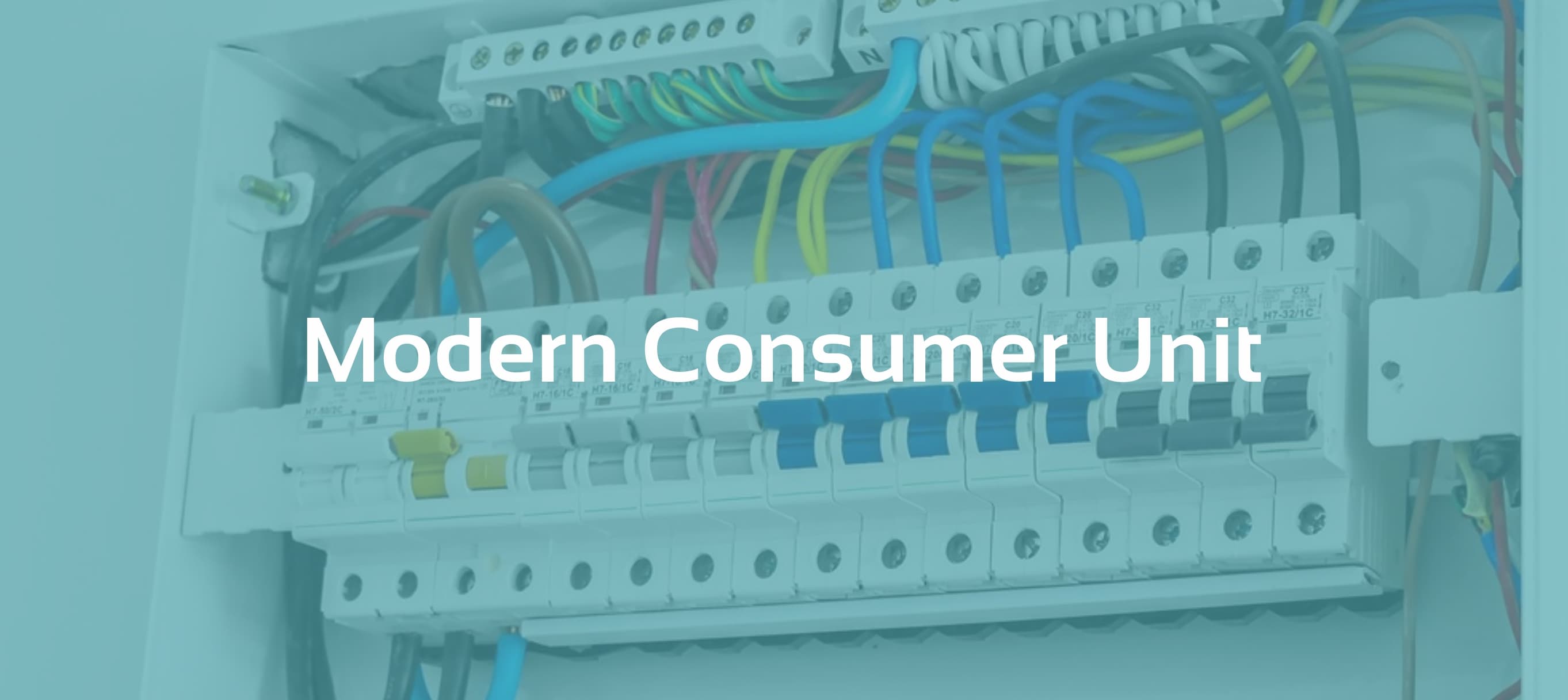
The Modern Consumer Unit: A modern consumer unit uses Circuit Breakers (MCBs) and Residual Current Devices (RCDs). Instead of melting wire, a switch simply flips off. More importantly, an RCD monitors the flow of electricity; if it detects a tiny leak, it disconnects the power in milliseconds. This is the difference between a minor startle and a fatal electric shock.
Key Signs You Need a Fuse Box Replacement
If you aren't sure whether you need to replace fuse box units in your property, look for these "red flags":
Wooden Backing: If your fuse box is mounted on a wooden board or has a wooden casing, it is likely over 40–50 years old and does not meet current UK safety standards.
Lack of RCD Protection: Look for a "Test" button. If your board doesn’t have one, you likely lack RCD protection, leaving your family at risk.
Flickering Lights: This often indicates that the internal busbars or connections are struggling to handle the electrical load.
Cast Iron or Plastic Covers: Older plastic covers are often not fire-rated. Modern units are made of non-combustible metal to contain any internal electrical fires.
The Benefits of Replacing Your Old Fuse Box
When you choose to replace fuse box systems, you aren't just buying hardware; you are investing in peace of mind.
Compliance with BS 7671 Standards: Electrical regulations in the UK are updated frequently. Replacing old fuse box with consumer unit technology ensures your home meets the latest "18th Edition" standards, which is vital for selling or renting your property.
Enhanced Safety (RCD & SPD): Modern units come with Surge Protection Devices (SPD). With the amount of sensitive electronics we own, a power surge can cause thousands of pounds in damage.
Capacity for Modern Living: Older systems weren't designed for induction hobs, electric showers, and heat pumps. A new unit provides a stable foundation for high-load appliances.
What Does the Replacement Process Look Like?
When you book a professional for a breaker box fuse replacement, the process is methodical and focuses on safety:
Step 1: Initial Assessment: Before any work begins, a qualified electrician should inspect your existing wiring to ensure the rest of your house can handle a modern unit.
Step 2: The Installation: The old unit is removed, and the new metal-clad consumer unit is installed. All circuits are carefully labeled.
Step 3: Testing & Certification: Every circuit is tested for "earth continuity" and "insulation resistance."
Step 4: Documentation: You should receive an Electrical Installation Certificate (EIC). This document is often required by home insurance providers.
Why Professional Installation Matters
Replacing an old fuse box with a consumer unit is a job strictly for certified professionals. In the UK, this work falls under Part P Building Regulations. Attempting a DIY breaker box fuse replacement is not only dangerous but can make your home insurance void and create legal issues when selling your property.
At Urgent Electrical Services, we specialize in these upgrades. We ensure that every fuse box replacement is neat, compliant, and—most importantly—safe for your family.
Frequently Asked Questions (FAQs)
How long does it take to replace a fuse box? Typically, a standard replacement takes between 4 to 8 hours, including extensive safety testing.
Will my power be off during the replacement? Yes. For safety reasons, the main power must be disconnected while the units are swapped.
Does a new fuse box stop my lights from flickering? In many cases, yes, as flickering is often caused by loose connections in an old box.
Is it expensive to replace a fuse box? While there is an upfront cost, it is significantly cheaper than repairing the damage caused by an electrical fire or power surge.
Don't Wait for a Fault to Happen By replacing old fuse box with consumer unit technology, you are bringing your home into the 21st century. Whether you are renovating or simply want to ensure safety, a professional electrical upgrade is the smartest move you can make.