
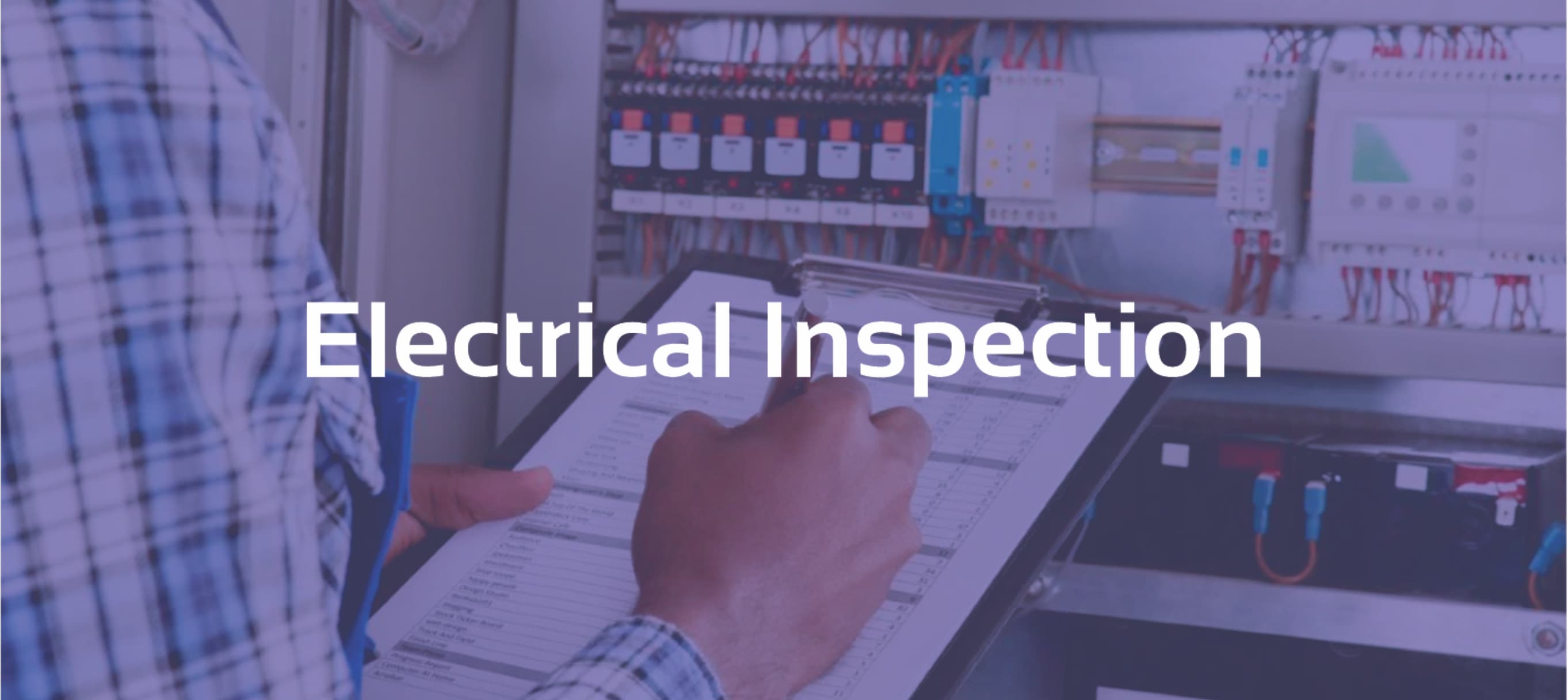
Electrical Inspection Before Buying a House in Nottingham
Getting an electrical inspection before buying a house is one of the most important steps any homebuyer can take — yet it is routinely skipped. Unlike a standard homebuyer's survey, an Electrical Installation Condition Report (EICR) tests every circuit, socket and fitting in the property, identifying hidden faults, outdated wiring and safety hazards before they become your problem. At Urgent Electrical Services, we provide EICR certificates for homebuyers across Nottingham from just £99 — with same-week availability and a full written report on the day.
What is an electrical inspection when buying a house?
An electrical inspection for a house purchase is a formal assessment of the entire electrical installation carried out by a qualified electrician. In the UK this is known as an Electrical Installation Condition Report, or EICR. It is sometimes also called a periodic inspection report or a fixed wire test.
The inspection covers every part of the electrical system that is fixed to the property, including:
- Wiring condition — assessing the age, type and safety of cables throughout the property
- Consumer unit (fuse box) — checking it is modern, correctly rated and fitted with up-to-date RCD protection
- Sockets and switches — testing for damage, improper installation and correct earthing
- Protective devices — testing RCDs (Residual Current Devices) and MCBs (Miniature Circuit Breakers) to confirm they operate correctly
- Earthing and bonding — verifying the earthing system meets current safety standards
- High-risk zones — extra testing in kitchens, bathrooms and outdoor areas where water is present
At the end of the inspection you receive a formal certificate and written report detailing every observation, coded by severity, along with clear recommendations for any remedial work required.
Is an electrical inspection legally required when buying a house in the UK?
No — an EICR is not a legal requirement for homebuyers in England and Wales. However, it is strongly recommended by electrical safety bodies and by mortgage lenders who suspect the wiring may be outdated. If you are purchasing a property to rent out, an EICR becomes a legal requirement once you become a landlord — it must be carried out every five years under the Electrical Safety Standards in the Private Rented Sector (England) Regulations 2020.
Even where it is not compulsory, skipping an electrical inspection before buying a house is a significant risk. Electrical faults are hidden behind walls and ceilings — they are invisible during a normal viewing, and a standard homebuyer's survey does not include electrical testing.
What is the difference between an EICR and a homebuyer's survey?
A homebuyer's survey checks the general structural condition of a property — damp, subsidence, roof condition and so on. It does not include detailed electrical testing. Your surveyor may note that wiring looks old or that the consumer unit appears outdated, but they will not test any circuits or identify specific faults.
An EICR is a dedicated electrical inspection carried out by a qualified electrician. It physically tests every circuit, checks all protective devices and identifies any wiring that is unsafe, outdated or non-compliant with current BS 7671 wiring regulations. The two reports complement each other — a homebuyer's survey alone is not sufficient to confirm electrical safety.
What do EICR codes C1, C2 and C3 mean for homebuyers?
Every observation on an EICR is assigned a code indicating the severity of the issue. Understanding these codes is important when assessing what a report means for a property you are considering buying:
- C1 — Danger present: The fault poses an immediate risk of injury or death. The installation should not be used until the fault is rectified. This is a serious finding that requires immediate attention and gives you very strong grounds to renegotiate or withdraw from the purchase.
- C2 — Potentially dangerous: The fault is not an immediate danger but could become one. Urgent remedial work is required. This should also be factored into your purchase negotiations.
- C3 — Improvement recommended: The installation does not meet current standards but is not considered dangerous. A property with only C3 observations can still receive a satisfactory EICR. These are advisory items — you may choose to address them over time after purchase.
- FI — Further investigation required: The electrician was unable to fully inspect a part of the installation. This is uncommon but requires follow-up testing before a final verdict can be given.
A satisfactory EICR with only C3 observations gives you confidence that the property is electrically safe to move into. A report showing C1 or C2 codes tells you remedial work is needed — and puts the cost firmly on the table for negotiation.
What happens if a house fails an electrical inspection?
If the property receives an unsatisfactory EICR — meaning it has C1 or C2 observations — you have several options as a buyer:
- Negotiate the purchase price down to cover the cost of remedial electrical work. Get quotes from a certified electrician first so you have a concrete figure to present to the seller.
- Request the seller to carry out the remedial work before completion, with a follow-up EICR certificate issued to confirm the work has been done correctly.
- Proceed with caution — if the issues are minor C2 observations, you may choose to proceed and budget for the remedial work yourself after purchase.
- Withdraw from the purchase — if the electrical condition is very poor and the seller is unwilling to negotiate, a failed EICR gives you clear and documented grounds to pull out of the transaction.
In all cases, having a written EICR from a certified electrician puts the facts in black and white — there is no ambiguity, and it protects you legally throughout the process.
Basic checks you can do yourself at a viewing
While a professional inspection is essential and cannot be replaced by a visual check, there are some warning signs you can look out for during a property viewing that may indicate electrical issues worth investigating:
- Test light switches — flickering or delayed response can indicate wiring problems
- Look for visible burn marks or scorch marks around sockets and light fittings
- A "fishy" or burning plastic smell near sockets is a serious warning sign
- Look at the consumer unit (fuse box) — if it has a wooden backing, old-fashioned rewirable fuses or looks very outdated, it almost certainly needs replacing
- Check for the presence of round-pin sockets, fabric-covered cables or very old metal light switches — all signs of wiring that may be 40+ years old
- Ask the seller or agent whether an EICR has been carried out recently and request a copy if one exists
Important: These visual checks are not a substitute for a professional inspection. Hidden faults in the wiring behind walls cannot be identified without testing equipment. Always commission a full EICR from a certified electrician before exchanging contracts.
How long does an electrical inspection take?
For a typical 3-bedroom house in Nottingham, a full EICR takes between 3 and 4 hours. During the inspection, the electrician will need access to every room, all sockets and light fittings, and the consumer unit. Brief power outages to individual circuits are normal during testing — these are short and expected.
Larger properties, properties with more circuits, or properties with older and more complex wiring may take longer. You will receive your full written report and certificate on the day of the inspection in most cases.
Our professional electrical inspection service for homebuyers in Nottingham
At Urgent Electrical Services, we carry out EICR inspections for homebuyers across Nottingham and all NG postcodes, including Beeston, Arnold, West Bridgford, Hucknall, Gedling, Carlton, Stapleford, Long Eaton, Clifton, Radford, Bulwell, Sherwood, Mapperley and Wollaton.
Every inspection is carried out by a NICEIC certified electrician, tested against current BS 7671 wiring regulations, and documented in a clear written report you can share with your solicitor, mortgage lender or the seller.
Our homebuyer inspection service includes:
- Full EICR across all circuits, sockets and fittings
- Consumer unit assessment and RCD testing
- Earthing and bonding verification
- Detailed written report with all observations coded by severity
- Same-day certificate issued on completion
- Clear, plain-English summary of any remedial work required and estimated costs
- Available to discuss findings directly with your solicitor or mortgage lender if needed
We also offer electrical fault finding and repair services if the inspection reveals issues that need addressing before or after completion.
Frequently asked questions
Do I need an electrical inspection when buying a house in the UK?
It is not legally required for homebuyers but is strongly recommended. An EICR identifies hidden faults, outdated wiring and safety hazards that a standard homebuyer's survey will miss entirely. Without one, you could face costly rewiring bills after you have already signed contracts.
How much does an electrical inspection cost when buying a house?
An EICR for a standard 3-bedroom house in Nottingham starts from £99 with Urgent Electrical Services. The price depends on the size of the property and the number of electrical circuits. Contact us for a free, no-obligation quote.
What happens if a house fails an electrical inspection?
A failed EICR showing C1 or C2 codes gives you strong grounds to negotiate the purchase price down, request remedial work before completion, or in serious cases withdraw from the purchase entirely. The written report provides documented evidence to support your position.
How long does an electrical inspection take when buying a house?
A full EICR on a typical 3-bedroom home takes between 3 and 4 hours. Larger properties may take longer. You receive a full written report and certificate on the day.
What is the difference between an EICR and a homebuyer's survey?
A homebuyer's survey covers the structural condition of a property. It does not carry out detailed electrical testing. An EICR is a dedicated electrical inspection that tests every circuit and identifies specific faults and non-compliances. The two reports serve different purposes and complement each other.
What do EICR codes C1, C2 and C3 mean?
C1 means danger present — immediate action required. C2 means potentially dangerous — urgent remedial work needed. C3 means improvement recommended — the installation is safe but does not fully meet current standards. A property with only C3 observations receives a satisfactory EICR and is safe to move into.
Book your electrical inspection in Nottingham today
Do not let electrical issues become your problem after you have signed contracts. Book a homebuyer EICR with Urgent Electrical Services and get a full written report from a NICEIC certified electrician — typically within the week and from just £99.
Call us: 0115 7780622
Book online at urgentelectrical.services
Fast response across all Nottingham and Nottinghamshire postcodes